Contact Center
+84 903419479
Contact Center
+84 903419479
Enterprise 06/10/2026
When a foreign invested enterprise in Vietnam can no longer pay debts, foreign shareholders, directors and parent companies may face urgent legal and commercial decisions. Creditors may demand payment, employees may raise salary claims, tax matters may remain unresolved, and contracts or leases may continue to create liabilities.
Bankruptcy of foreign invested enterprises in Vietnam is not simply a way to close a company. It may involve court procedures, creditor claims, asset handling, employee obligations, tax records, debt settlement and the duties of company managers under Vietnamese law.
Before filing for bankruptcy, foreign investors should obtain legal advice. Bankruptcy may not be the only option. Depending on the company’s debts, assets, creditors and financial position, restructuring, debt negotiation, asset sale or ordinary dissolution may be more suitable.

A foreign invested enterprise may be wholly foreign owned or jointly owned by foreign and Vietnamese investors. When the company becomes financially distressed, the legal issues are often more complicated than a normal business loss.
Common problems include unpaid suppliers, employee claims, overdue tax matters, bank loans, shareholder loans, office or factory leases, unfinished contracts and disputes between local managers and foreign shareholders.
Bankruptcy in Vietnam may become relevant where the company is unable to pay due debts and creditor pressure cannot be resolved through ordinary business negotiation. However, the company should not rush into filing without reviewing its financial records, contracts, creditor structure and available alternatives.
For foreign clients, the key issue is control. A poorly managed insolvency situation may create further disputes, delay business closure and expose managers or shareholders to avoidable legal risk.
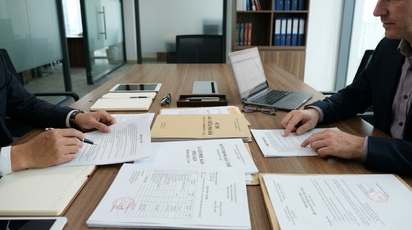
Foreign investors sometimes use bankruptcy, dissolution, liquidation and business closure as if they mean the same thing. In practice, they are different.
Dissolution usually applies when the company can settle its debts and complete closure procedures. This may involve shareholder decisions, tax finalization, employee settlement, contract termination and asset liquidation.
Bankruptcy is different. It is generally relevant when the company cannot pay due debts and creditor claims need to be handled through a legal process.
Liquidation refers to dealing with company assets. It may happen in dissolution, restructuring or bankruptcy, depending on the situation. Selling assets while the company is insolvent should be carefully reviewed to avoid creditor disputes or allegations of improper transfer.
The correct route depends on whether the company is solvent, whether debts can be settled, whether creditors cooperate and whether the company still has assets or business value.

A foreign invested company may need bankruptcy or insolvency advice if:
it cannot pay due debts;
creditors have sent demand letters;
employees have unpaid salary or termination claims;
tax and accounting records are incomplete;
landlords, banks or suppliers threaten legal action;
shareholder loans or intercompany debts are disputed;
assets are being transferred without clear records;
local management and foreign shareholders disagree;
the company has stopped operating but still has debts.
Creditors may also need legal advice if an FDI company in Vietnam delays payment, avoids communication, moves assets or appears unable to satisfy debts.
Bankruptcy advice is useful not only when the company is already collapsing. It can also help investors decide whether to restructure, negotiate with creditors, dissolve the company or prepare for formal legal action.

Before filing, foreign shareholders and managers should review the company’s full position.
First, the company should identify all creditors and debts, including suppliers, lenders, employees, tax obligations, landlords, customers and related companies.
Second, secured and unsecured obligations should be separated. Loan documents, guarantees, security arrangements and payment undertakings may affect how debts are handled.
Third, tax and accounting records must be reviewed. Missing invoices, incomplete books or unresolved tax filings can create major problems during bankruptcy, dissolution or business closure.
Fourth, employee claims should be handled carefully. Salary, insurance, severance, termination issues and other employment obligations may become sensitive when a company is financially distressed.
Fifth, the company should identify all assets, including cash, receivables, inventory, machinery, equipment, deposits and claims against third parties.
Sixth, contracts and leases should be reviewed. Office leases, factory leases, supply contracts, customer contracts and service agreements may continue to create liabilities even after business operations stop.
Finally, directors and legal representatives should act carefully. Decisions on payments, asset transfers, employee termination and creditor communication should be documented and legally reviewed.

Foreign shareholders are not automatically personally liable for all company debts simply because the company becomes insolvent. However, liability may depend on capital contribution, guarantees, management conduct, related-party transactions and applicable Vietnamese law.
Practical risks may arise if the company:
transfers assets without proper documentation;
ignores creditor claims;
continues business while unable to pay debts;
fails to keep accounting and tax records;
pays selected creditors without legal review;
abandons operations without a closure strategy;
leaves employee claims unresolved;
allows conflict between local managers and foreign shareholders to delay decisions.
For directors and legal representatives, the main concern is conduct. They should preserve records, avoid informal asset handling and seek advice before making major decisions during insolvency.

Bankruptcy may not be the best option in every case. Depending on the company’s situation, alternatives may include:
debt restructuring;
settlement with creditors;
asset sale with proper documentation;
contract termination negotiation;
shareholder resolution;
additional capital contribution where commercially viable;
ordinary company dissolution if debts can be settled;
transfer of a project or business line where legally permitted.
For companies still considering continued operations, corporate restructuring options may also be reviewed, including increasing investment capital of foreign invested companies. For new investment planning, foreign investors may need to understand the process of establishing a foreign invested enterprise in Vietnam.
These alternatives are not guaranteed solutions. Each option depends on creditor cooperation, assets, tax status, shareholder decisions and Vietnamese law.
Lawyers in Vietnam can help foreign investors, shareholders, directors and creditors assess the legal position before choosing a bankruptcy or closure strategy.
Legal assistance may include:
reviewing whether bankruptcy is appropriate;
assessing debts, assets and creditor claims;
reviewing contracts, leases, loans and guarantees;
advising directors and legal representatives;
coordinating with accountants or tax advisers;
preparing notices, settlement proposals or legal documents;
supporting negotiation with creditors, landlords or employees;
advising creditors on debt recovery or bankruptcy-related action;
representing or supporting clients in disputes where applicable.
The purpose of legal advice is not to guarantee a result. It is to help the client understand risks, avoid mistakes and choose a legally appropriate strategy.
APOLO LAWYERS - Solicitors & Litigators assists foreign clients with company matters, investment issues, commercial disputes, debt settlement, business closure and legal risk management in Vietnam.
Foreign clients often need clear advice in English, practical assessment of Vietnamese procedures and careful review of documents. In bankruptcy and insolvency matters, a legal review should cover debts, assets, employees, contracts, tax records, creditors and shareholder decisions.
Apolo Lawyers provides practical legal support based on the facts and documents of each case. No responsible lawyer should promise a specific outcome before reviewing the company’s financial and legal position.
Address: 108 Tran Dinh Xu Street, Cau Ong Lanh Ward, Ho Chi Minh City, Vietnam
Tel: (+8428) 66.701.709 | (+84) 908.043.086
Email: contact@apolo.com.vn
Hotline: (+84) 903.600.347
Address: 9th/F, Tower K&M Building, 33 Ung Van Khiem St., Thanh My Tay Ward, HCM City, Vietnam
Tel: (+8428) 35.059.349 | (+84) 908.097.068
Email: contact@apolo.com.vn
Hotline: (+84) 979.48.98.79