Contact Center
+84 903419479
Contact Center
+84 903419479
Enterprise 07/09/2026
Foreign owned companies in Vietnam often focus heavily on market entry, investment registration and company setup. However, many legal risks appear after the company has started operating. Contracts need to be reviewed, employees must be managed under Vietnamese labor rules, licenses may need updates and internal decisions must be properly recorded.
For a foreign owned company in Vietnam, ongoing legal support is not only useful when a dispute has already happened. It helps business owners and managers prevent avoidable problems, control legal documents and make operational decisions with a clearer understanding of Vietnamese law and local procedure.

Vietnam is a dynamic market, but foreign investors may face legal and administrative issues that differ from their home jurisdiction. A decision that appears simple from a commercial perspective may have legal consequences if it affects licensing conditions, corporate records, tax registration, employment compliance or contract enforcement.
Foreign managers often rely on internal teams, accountants or business consultants for daily operations. That may work for routine administration, but it may not cover legal risks that require a Vietnamese legal perspective. For example, changing a business line, signing a new type of commercial contract, appointing a new legal representative or restructuring employee benefits can raise legal questions.
Ongoing business legal support in Vietnam helps companies review issues before they become urgent. It also helps the company maintain consistent documentation, avoid informal practices and respond more effectively when government authorities, employees, partners or shareholders raise concerns.
For foreign investors, the value of regular legal support is often in prevention. A short review before signing a contract or changing an internal policy can reduce the risk of a much larger dispute later.

Legal compliance for businesses in Vietnam is not a one-time task. After incorporation, a company may need to review several legal areas regularly, especially when it grows, hires employees, expands operations or enters new commercial arrangements.
Common areas requiring legal attention include corporate governance documents, commercial contracts, employment documents, licenses, shareholder decisions, capital records, debt recovery, confidentiality clauses and business cooperation agreements.
Companies that want a broader overview of routine obligations may also review a legal compliance checklist for businesses in Vietnam. However, ongoing legal support goes beyond a checklist. It focuses on applying legal review to the company’s actual transactions, internal decisions and risk profile.

Contract control is one of the most important reasons foreign owned companies seek regular legal support in Vietnam. Many business disputes begin with unclear contract terms, inconsistent bilingual documents, weak payment clauses or poor dispute resolution provisions.
A corporate lawyer in Vietnam can assist with contract drafting and contract review in Vietnam by identifying risks before the company signs. This may include reviewing the legal capacity of the contracting party, payment terms, delivery obligations, limitation of liability, termination rights, governing law, dispute resolution method and supporting documents.
Foreign companies should be careful when using standard templates imported from another jurisdiction. A template that works in Singapore, Australia, Europe or the United States may not fully address Vietnamese legal practice, local enforcement risks or Vietnamese-language documentation requirements.
Regular contract review is useful for supplier agreements, service agreements, distribution contracts, lease agreements, consultant agreements, shareholder arrangements, settlement documents and payment plans.
When a contract problem has already escalated, the company may need separate legal advice on contract disputes with foreign partners in Vietnam. However, the better approach is often to review contracts before signing and keep consistent contract management during performance.
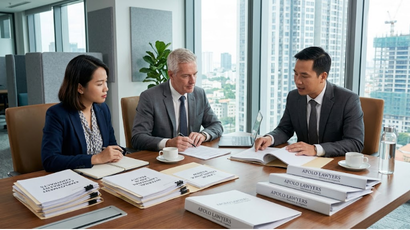
Employment compliance in Vietnam is another area where foreign owned companies can face practical difficulties. Labor matters are sensitive because they involve both legal rules and workplace relationships. A poorly drafted employment contract or an informal termination process can create avoidable risk.
Foreign employers should regularly review employment contracts, probation terms, salary structures, working hours, bonus policies, confidentiality obligations, internal labor regulations and disciplinary procedures. Companies with a growing workforce may also need to align internal policies with Vietnamese labor law requirements.
Legal support can be important when the company needs to hire senior managers or foreign employees, revise employment templates, handle underperformance, review termination options, prepare internal labor rules or respond to employee complaints.
For foreign managers, one common mistake is assuming that a commercial management decision automatically justifies employment termination. In Vietnam, the procedure and evidence behind the decision can be just as important as the business reason. Regular legal review helps the company manage labor issues in a more structured and defensible way.

A foreign owned company in Vietnam may need to update licenses and corporate records when its business changes. These changes may include a new address, new legal representative, change of shareholders, capital adjustment, additional business lines, new investment project details or new operating licenses.
Not every change has the same legal effect. Some changes only require corporate registration updates, while others may involve investment registration, sector-specific licensing or approval from competent authorities. Companies operating in conditional business sectors need to be especially careful.
Legal support may be needed for reviewing whether a planned activity is within the company’s registered scope, updating registration documents, preparing corporate resolutions, advising on capital transfers and reviewing licensing requirements for regulated sectors.
Foreign investors may also need to understand when additional business licenses in Vietnam are required. Ongoing legal support helps ensure that business expansion does not move ahead faster than the company’s legal permissions.
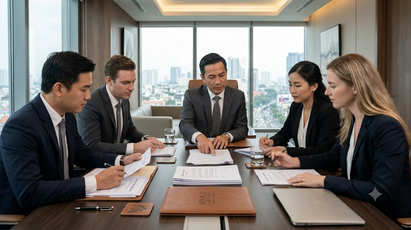
Internal management is often overlooked until a disagreement arises. For foreign owned companies with multiple shareholders, joint venture partners or nominee arrangements, clear governance is essential.
Shareholder issues may involve voting rights, capital contribution obligations, appointment of managers, reserved matters, profit distribution, related-party transactions, access to company documents and exit rights. If these matters are not clearly documented, misunderstandings can become serious disputes.
Business dispute prevention in Vietnam requires more than trust between partners. It requires proper corporate records, clear internal approvals and contracts that reflect the actual commercial arrangement. A company should also ensure that board decisions, shareholder resolutions and capital contribution records are consistent with its charter and investment documents.
A Vietnamese corporate lawyer can help review shareholder agreements, company charters, internal decision-making rules and transaction documents. Where disagreements already exist, the company may need specific advice on shareholder disputes in Vietnamese companies. Before that stage, ongoing legal support can help reduce ambiguity and preserve the company’s ability to operate.

A company does not need to wait for litigation or a government inspection before contacting a lawyer. In many cases, early legal advice is more efficient and less disruptive than emergency support after a problem has escalated.
A foreign owned company should consider contacting a lawyer when it is preparing to sign a major contract, entering a new regulated activity, facing delayed payment, planning to hire or terminate key employees, managing shareholder disagreement, receiving a notice from an authority or discovering that licenses no longer match actual operations.
The key point is timing. Legal advice is often more useful before the company commits to a position, sends formal correspondence or signs documents that may be difficult to revise later.
Ongoing legal support for foreign owned companies in Vietnam is a practical way to manage risk after the company has entered the market. It helps business owners and managers maintain compliance, control contracts, manage employees properly, prevent internal disputes and respond to legal issues before they become more serious.
Every company has a different risk profile. The right legal support depends on the company’s sector, ownership structure, licensing status, number of employees, contract volume and current business concerns.
If your company is operating in Vietnam and needs a legal review of its business situation, you may contact Apolo Lawyers for a professional assessment. The consultation can help identify key legal issues, available options and the next steps that may be appropriate for your company.
Address: 108 Tran Dinh Xu Street, Cau Ong Lanh Ward, Ho Chi Minh City, Vietnam
Tel: (+8428) 66.701.709 | (+84) 908.043.086
Email: contact@apolo.com.vn
Hotline: (+84) 903.600.347
Address: 9th/F, Tower K&M Building, 33 Ung Van Khiem St., Thanh My Tay Ward, HCM City, Vietnam
Tel: (+8428) 35.059.349 | (+84) 908.097.068
Email: contact@apolo.com.vn
Hotline: (+84) 979.48.98.79