A foreign manufacturer appoints an exclusive distributor in Vietnam and supplies products bearing its brand. When the relationship ends, the manufacturer discovers that the distributor filed the same trademark in its own name. The manufacturer’s first step is to check whether the filing is pending or has already been granted. A pending application can be opposed within the applicable window. A granted registration calls for a different procedure.
1. Does a distribution agreement give the distributor the right to file?
 An exclusive distribution agreement typically authorizes the sale of branded goods. Review the agreement and any separate authorizations to see whether the supplier also consented to a trademark filing in the distributor’s own name. Under Article 87(2) of Vietnam’s Intellectual Property Law, a trader may register a mark for goods it lawfully sells on two conditions. The producer does not use that mark for those goods and does not object to the registration. A distributor selling goods that the supplier already brands with the mark cannot rely on that provision alone.
Article 87(7) may also apply if the mark is protected in another country covered by an applicable treaty and the distributor acted as the owner’s agent or representative. Review what the distributor actually did under the agreement and whether it had the owner’s consent or a legitimate justification.
2. What if the application is still pending?
 Check the applicant’s name, the mark, the goods and services claimed, and the publication date in the Industrial Property Gazette. For trademark applications published on or after 1 April 2026, the formal opposition period is three months from publication, including for applications originally filed before that date. An opposition must be submitted in writing with supporting evidence or cited sources and the applicable fees.
If the formal opposition period has expired and no grant decision has been issued, the supplier can still submit written third-party observations under Article 112. IP Vietnam considers those observations as reference material when examining the application.
3. What if the distributor already has a registration?
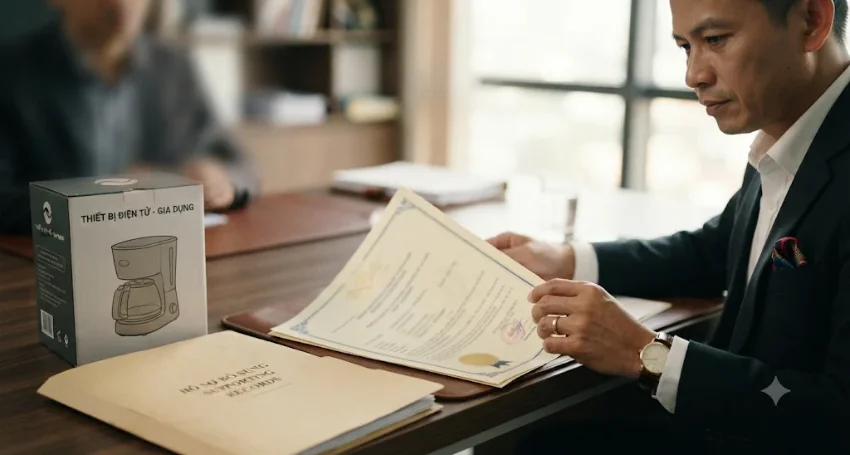 The supplier can consider requesting invalidation on the ground that the distributor lacked the right to register or filed in bad faith. Under Article 96, a challenge based on lack of entitlement is generally subject to a five-year period from grant, or from the date the international registration takes effect in Vietnam. The bad-faith ground can be raised throughout the protection term under the current law. For an older registration, check the applicable rules before choosing a ground and calculating the deadline.
Under Article 96, a registration invalidated in whole or in part is treated as having had no effect from the grant date to the extent of the invalidation. The supplier should assess its own Vietnam filing separately, including the risk of conflicting earlier marks.
4. What evidence can show the distributor knew about the mark?
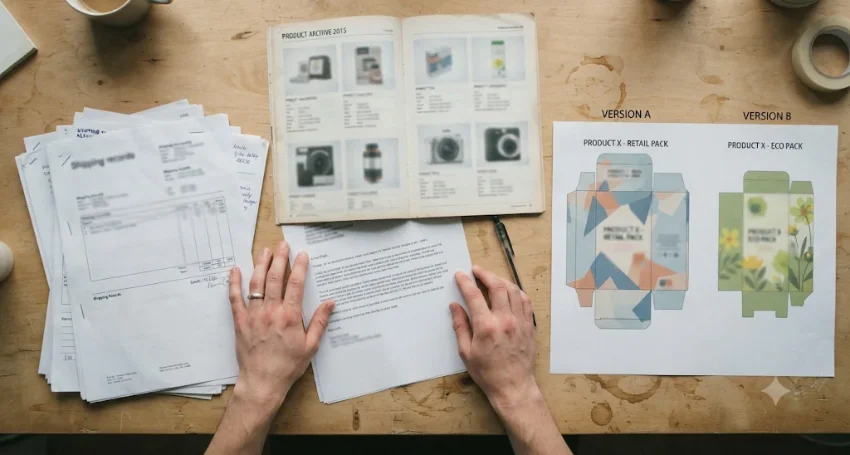 Build a timeline ending on the distributor’s filing date. Collect the supplier’s foreign trademark certificates, dated packaging and catalogues, the distribution agreement, purchase orders, invoices and shipping records. Emails that show when the distributor received logo files, approved packaging or discussed who would register the mark can help establish what it knew and what the supplier authorized. Preserve the original files and complete email chains so the dates and context can be checked.
5. Can the supplier negotiate a transfer?
 If the distributor is willing to cooperate, the parties can consider transferring the pending application or assigning the granted registration. Verify that the distributor actually controls the rights and check the goods and services covered. A signed settlement should identify the application or registration numbers, set a deadline for signing the transfer documents and address any remaining stock or future use of the mark. Where Vietnamese law requires recordal, complete that step as part of the settlement. Track any opposition deadline while negotiations continue.
6. How can suppliers prevent the same dispute?
 Consider filing in Vietnam in the brand owner’s name before appointing a distributor. The distribution agreement should state who owns the trademark, define how the distributor may use it and prohibit unauthorized filings in the distributor’s name. It can also require the distributor to report conflicting applications and cooperate with corrective filings if needed. Name the brand-owning entity precisely, especially if the exporter signing the agreement is a different company within the same group.
If your distributor has filed or registered your brand in Vietnam, contact Jurion & Partners for help reviewing the filing, confirming the applicable deadline and assessing whether to oppose, seek invalidation or negotiate a transfer.


