Contact Center
+84 903419479
Contact Center
+84 903419479
Foreigners 27/05/2026
Many foreign clients have legal matters in Vietnam but cannot handle them directly. They may be living overseas, unable to travel, unfamiliar with Vietnamese procedures, or unable to communicate effectively in Vietnamese. A contract dispute may require urgent written responses. A company matter may need documents submitted to a Vietnamese authority. A family, employment, debt recovery or property issue may require meetings, document review or procedural steps in Vietnam.
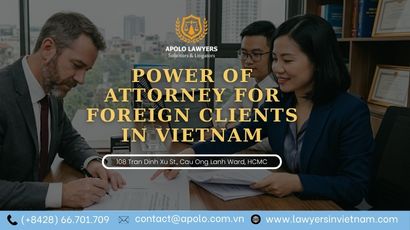
In these situations, appointing a lawyer through a properly prepared Power of Attorney can help the client manage the matter more safely and efficiently. A Power of Attorney for foreign clients in Vietnam allows a lawyer to act within a defined scope, support communications, prepare documents, attend meetings where permitted and assist with legal procedures.
However, a Power of Attorney should not be treated as a simple template. The wording, signing method, supporting documents, notarization, certification, consular legalization and Vietnamese translation requirements may affect whether the document is accepted and how it can be used.
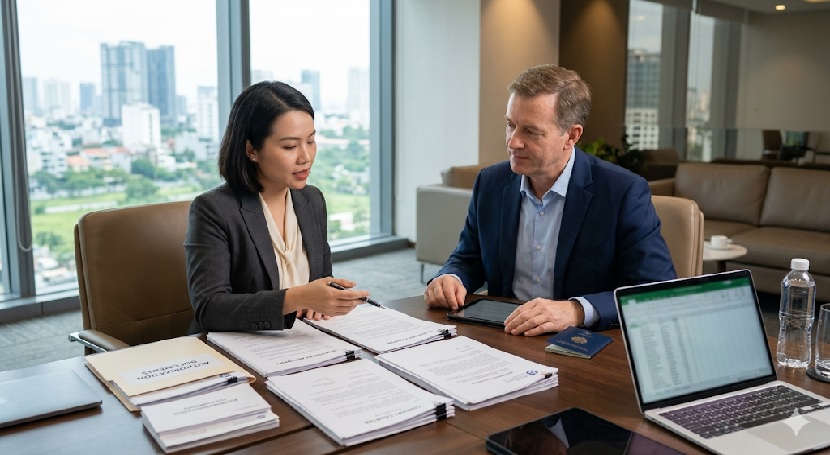
A foreign client may need a Power of Attorney when personal attendance is difficult or when local representation is necessary to move a matter forward. This is common for clients living overseas, expats who have left Vietnam, foreign companies without a local legal team, or investors who need a Vietnam lawyer for foreign clients to handle a defined legal task.
Common situations include:
For example, a foreign company involved in a payment dispute may authorize a lawyer to review contracts, send legal notices and communicate with the Vietnamese counterparty. A foreign individual involved in a family matter may need legal support to prepare documents and work with relevant agencies. A foreign investor may need assistance with company documents, shareholder issues or negotiations with local partners.
The exact scope of authorization depends on the case. Some matters require only document review and communication. Others may require formal representation, submission of documents, participation in meetings, or support in court or arbitration procedures where permitted by law and procedural rules.
A Power of Attorney allows a lawyer to act on behalf of the client only within the authority granted. It does not automatically give unlimited power. The document should be drafted around the specific matter, the expected legal steps and the authority or party that will receive or review the document.
Depending on the case, a Power of Attorney may allow a lawyer to:
This is particularly important for foreign clients seeking legal services in Vietnam for foreigners, because the practical use of the Power of Attorney may vary depending on the authority, transaction type, dispute stage and required documents.
Some acts may require specific wording in the Power of Attorney. Certain authorities or counterparties may request original documents, notarization, certification, consular legalization, certified translation or direct confirmation from the client. For sensitive decisions, such as settlement or signing binding agreements, the lawyer should confirm the client’s intention before the act is performed.
A vague Power of Attorney may create practical problems. If the wording is too general, an authority or counterparty may refuse to accept it for a specific act. If the wording is too broad, the client may unintentionally grant authority beyond what is needed. If the wording is too narrow, the lawyer may be unable to complete necessary steps without obtaining a new document.
A well prepared Power of Attorney should clearly define:
Settlement authority should be handled carefully. The same applies to withdrawal of claims, admission of liability, waiver of rights, acceptance of obligations, signing of settlement minutes or execution of binding agreements. These acts may have serious legal and financial consequences.
For clients involved in disputes, a lawyer should review the intended procedural steps before the Power of Attorney is signed. Foreign clients facing court or arbitration matters may also need advice from litigation lawyers in Vietnam for foreign clients to ensure the authorization is aligned with the procedural requirements of the case.
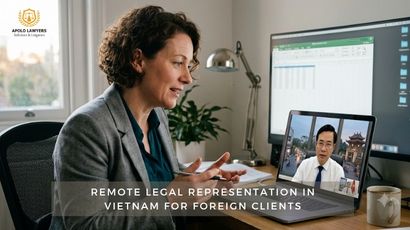
In many situations, a foreign client may be able to sign a Power of Attorney outside Vietnam. This is one of the main reasons why remote legal representation in Vietnam can be practical for foreign individuals and companies.
However, the signing method should be checked before the document is used. Depending on where the Power of Attorney is signed and how it will be presented in Vietnam, the document may need notarization, certification, consular legalization or Vietnamese translation. Requirements may vary depending on the authority, procedure, transaction and case file.
For a foreign company, the issue is not only the Power of Attorney itself. The company may also need to show that the person signing has proper corporate authority. This may involve company registration documents, board resolutions, director appointment documents or other proof of representative capacity, depending on the structure of the company and the receiving authority.
Foreign clients should avoid using a generic Power of Attorney template without review. A template may not reflect Vietnamese legal practice, may omit necessary authority, or may include clauses that are too broad for the intended matter.

Before appointing a lawyer, the client should prepare documents that allow the lawyer to understand the matter and assess the appropriate scope of authorization. The required checklist may differ for individuals and companies.
For individuals, useful documents may include:
For companies, useful documents may include:
A complete document package helps the lawyer assess whether the Power of Attorney should be limited to advice, negotiation, document submission, procedural representation or broader legal support. It also helps avoid delays caused by missing evidence or unclear authority.
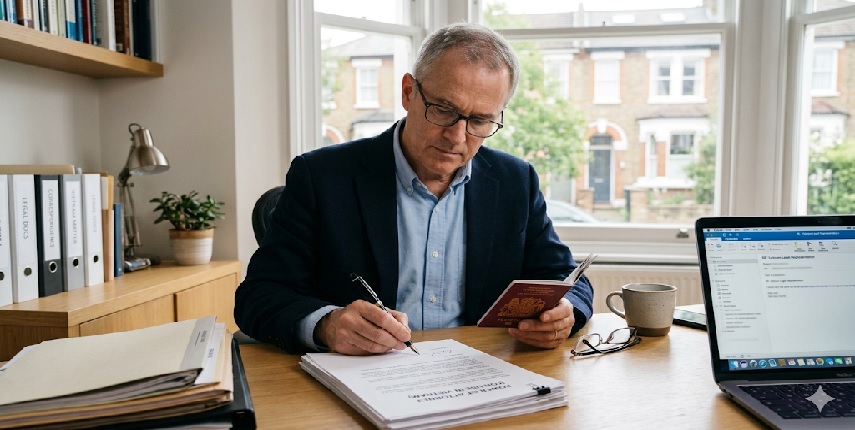
Foreign clients often contact lawyers only after a deadline is close or after a document has already been rejected. Many problems can be avoided if the Power of Attorney and supporting documents are reviewed early.
Common mistakes include using a generic POA template, granting authority too broadly, granting authority too narrowly, failing to legalize or translate documents when required, and not checking whether the signer has corporate authority.
Another common mistake is failing to define settlement or signing authority. A client may want the lawyer to negotiate but not sign a binding agreement. In that case, the Power of Attorney should be drafted carefully so that negotiation authority and signing authority are separated.
Foreign clients also sometimes send incomplete case documents. A lawyer cannot properly assess the matter based only on a short summary. Contracts, correspondence, notices, invoices, payment records, procedural documents and previous decisions may all affect the legal position.
For disputes, early preparation is especially important. Clients dealing with payment claims, contract breaches or business conflicts may need dispute resolution lawyers in Vietnam to assess the case before a Power of Attorney is finalized.
Vietnamese lawyers assist foreign clients not only by receiving a signed Power of Attorney, but also by helping the client understand whether the document is needed, what authority should be granted and what documents should support it.
Lawyers may assist by:
For foreign clients who are not familiar with Vietnamese procedures, this guidance can reduce confusion and prevent avoidable procedural errors. A lawyer can also explain what can be handled under the Power of Attorney and what may still require direct client confirmation.
Clients who need broader local support may also consider working with a law firm in Vietnam for foreign clients and investors, especially where the matter involves business operations, investment, disputes or ongoing legal compliance.
Before signing a Power of Attorney, the client should confirm the exact purpose of the document and the intended legal steps. The document should match the matter, not merely describe general legal representation.
Important questions include:
The client should also confirm whether the Power of Attorney should be used for one transaction, one dispute, one authority procedure or multiple related steps. A narrow document may be safer but may require additional documents later. A broader document may be more convenient but should be controlled carefully.
Before signing a Power of Attorney, foreign clients should first allow the lawyer to review the case documents and identify the correct scope of authorization. This helps ensure that the document reflects the actual legal task, avoids unnecessary authority and reduces the risk of rejection by the relevant authority or counterparty.
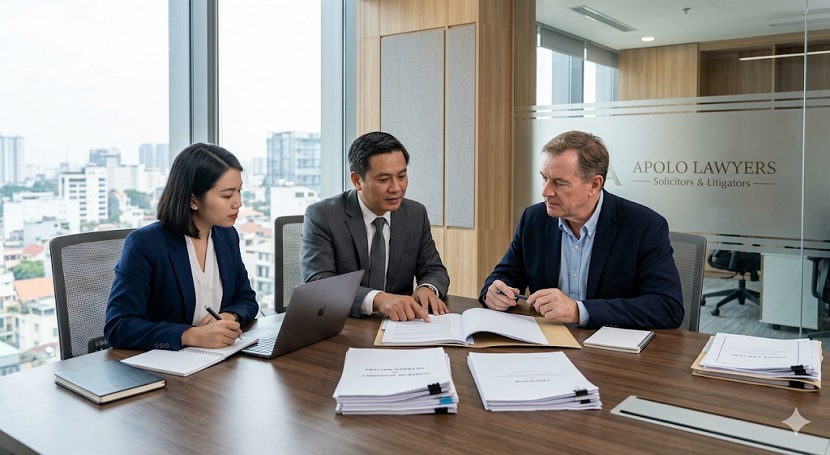
APOLO LAWYERS - Solicitors & Litigators assists foreign individuals, expats, investors and foreign companies with legal matters in Vietnam. Depending on the case, Apolo Lawyers can support foreign clients with case assessment, Power of Attorney drafting or review, document preparation, remote communication and legal representation in Vietnam.
The scope of support may include reviewing the legal matter, identifying the required authority, guiding notarization or legalization steps, communicating with parties in Vietnam, preparing legal documents, and representing or supporting the client within the authorized scope.
If you are outside Vietnam and need to appoint a lawyer to handle a legal matter in Vietnam, you may send your documents to Apolo Lawyers for an initial case assessment and guidance on the appropriate Power of Attorney. To begin, you may contact Apolo Lawyers and provide the relevant documents for review.
Address: 108 Tran Dinh Xu Street, Cau Ong Lanh Ward, Ho Chi Minh City, Vietnam
Tel: (+8428) 66.701.709 | (+84) 908.043.086
Email: contact@apolo.com.vn
Hotline: (+84) 903.600.347
Address: 9th/F, Tower K&M Building, 33 Ung Van Khiem St., Thanh My Tay Ward, HCM City, Vietnam
Tel: (+8428) 35.059.349 | (+84) 908.097.068
Email: contact@apolo.com.vn
Hotline: (+84) 979.48.98.79