Contact Center
+84 903419479
Contact Center
+84 903419479
Foreigners 07/09/2026
Inheritance involving property in Vietnam can be difficult for foreign clients, overseas Vietnamese heirs and family members living abroad. The issue is rarely limited to “who receives the asset.” In practice, heirs must deal with Vietnamese inheritance rules, property documents, land and housing restrictions, notarization requirements, family records, tax and registration procedures, and sometimes disputes among relatives in Vietnam.
For foreign clients, the matter becomes more sensitive when they cannot travel to Vietnam, do not speak Vietnamese, or do not have direct access to original documents. In these situations, early legal assessment is important to confirm whether the client has inheritance rights, what property is involved, who is currently managing the asset and what legal steps should be taken in Vietnam.
APOLO LAWYERS - Solicitors & Litigators assists foreign clients and overseas heirs with inheritance cases involving real estate, houses, land use rights, bank assets, business interests and related disputes in Vietnam.

Inheritance matters in Vietnam often involve several layers of legal and practical issues. A foreign client may have a valid family relationship with the deceased but still face difficulties proving that relationship under Vietnamese procedures. Another heir may be living in Vietnam and already holding the property documents. In other cases, the inherited asset may be a house, apartment, land use right, company shares or bank account that requires separate legal steps before it can be transferred, sold or distributed.
The main complications usually include:
For property-related matters, foreign clients should also understand that Vietnamese rules on land, housing and ownership may affect how inherited property can be received, registered or monetized. For related background, clients may also review Can Foreigners Own Property In Vietnam.
Foreign clients usually contact Vietnamese lawyers when the inheritance has reached a practical obstacle. The death has already occurred, relatives are discussing the estate, documents are incomplete, or one family member is refusing to cooperate.
Common scenarios include the following.
A child, spouse, sibling or other relative living abroad may become an heir to property in Vietnam. The heir may be a foreign citizen, an overseas Vietnamese person or a person with dual connections to Vietnam and another country. The key issue is to confirm the legal relationship with the deceased and determine the heir’s entitlement under the will or under Vietnamese inheritance rules.
Many inheritance cases involve a house, apartment or land use right certificate in Vietnam. The property may need to be checked for ownership status, land use purpose, mortgage, dispute notice, planning restrictions, co-ownership and registration history. Even when the heir has inheritance rights, the method of receiving or disposing of the property may depend on the legal status of the property and the heir’s eligibility under Vietnamese law.
For broader property context, see Real Estate Ownership In Vietnam For Foreigners.
Inheritance disputes often arise when heirs disagree about the validity of a will, the contribution of each family member, the identification of joint property, or the sale price of the inherited asset. Some heirs may occupy the property or collect rent without agreement. Others may hide documents or attempt to transfer the property before the estate is properly settled.
Where a dispute has already started, foreign clients should obtain early advice on evidence, limitation issues, negotiation strategy and possible court proceedings. Related reading is available at Issues Related To Inheritance Disputes and Settlement Of Disputes Over Division Of Inheritance.
A foreign client does not always need to travel to Vietnam personally. Depending on the case, a lawyer in Vietnam may assist through remote consultation, document review, authorization, notarized power of attorney, legalization guidance, communication with local authorities and representation in negotiations or proceedings.
This is especially useful when the heir lives abroad, has limited time, or wants a professional representative to protect their interests in Vietnam.
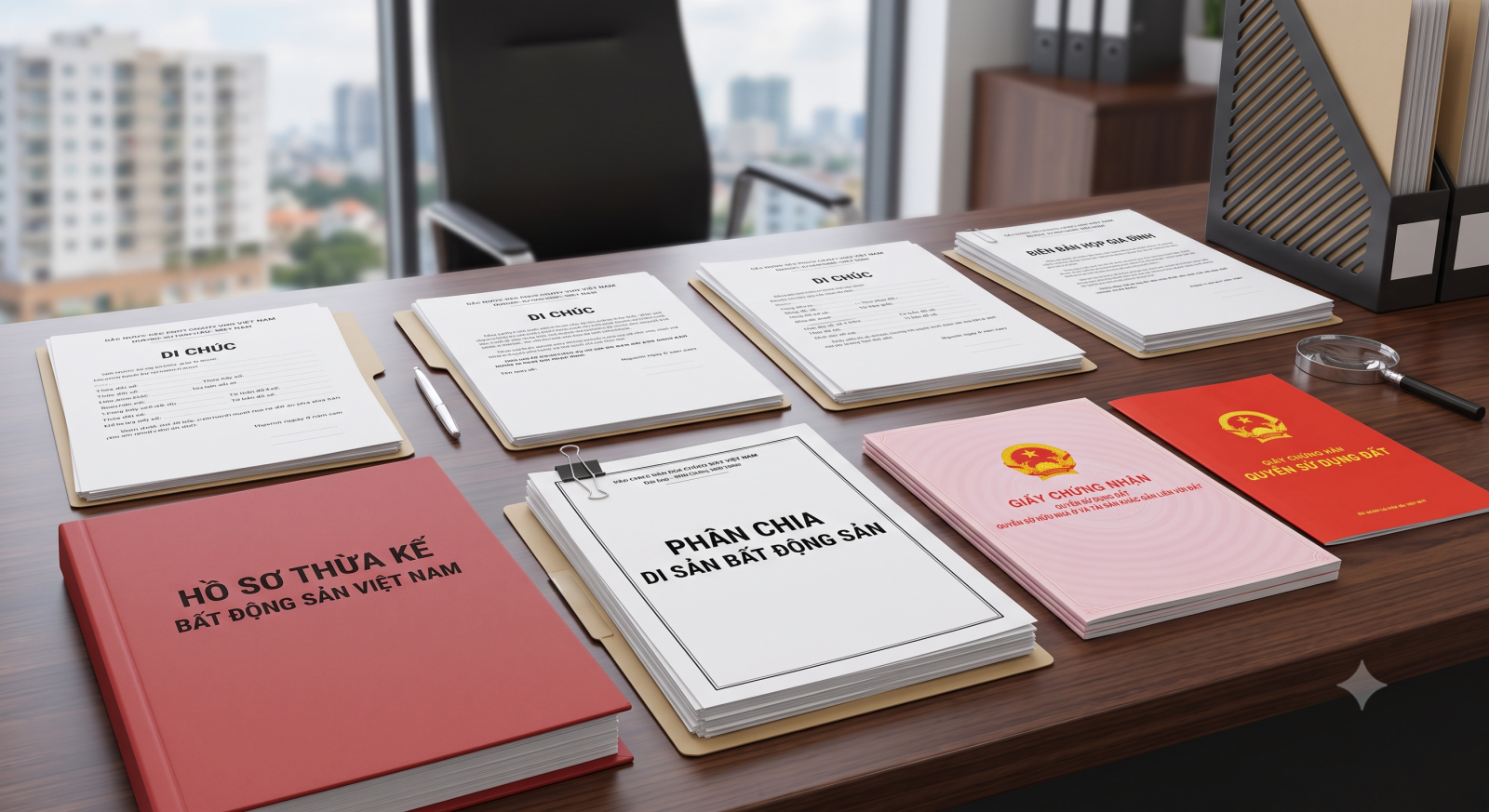
The required documents depend on the facts of each inheritance case. However, foreign clients should usually begin by collecting documents that prove three points: the death, the family or beneficiary relationship, and the property.
Useful documents may include:
Documents issued outside Vietnam may need notarization, consular legalization, certified translation or other formal steps before they can be used in Vietnam. This should be reviewed early because document preparation abroad can take time and mistakes may delay the inheritance procedure.
The legal path depends on whether the case is cooperative or disputed. A straightforward case with full documents and agreement among heirs may be resolved through declaration, notarization and registration procedures. A contested case may require negotiation, evidence collection and litigation before a competent Vietnamese court.
A practical workflow usually includes the following steps.
The lawyer reviews the client’s relationship with the deceased, available documents, type of property, location of the property, existence of a will and whether there are any current disputes. This helps determine whether the case can proceed through a non-contentious process or whether dispute strategy is needed.
The next step is to identify all heirs and estate assets in Vietnam. This may involve reviewing family records, property certificates, land registration information, bank records or company documents. The purpose is to understand what forms part of the estate and who may have a legal interest.
Foreign clients may need to prepare documents abroad and authorize a representative in Vietnam. A lawyer can guide the client on format, notarization, legalization, translation and execution requirements so that documents are accepted by Vietnamese notarial offices, authorities or courts.
If heirs agree on distribution, lawyers can assist with the inheritance declaration, written agreement, notarization and related registration. If heirs do not agree, lawyers may help negotiate a settlement, request documents, preserve evidence and prepare for dispute resolution.
After inheritance rights are confirmed, the property may need to be registered, transferred, sold or otherwise distributed. For foreign heirs, the lawyer should assess whether the client may register the property directly or whether another legal solution is required, such as sale and distribution of proceeds, depending on the property type and applicable restrictions.
If no agreement can be reached, court proceedings may be necessary. Legal representation is important where there are conflicting claims, missing documents, forged signatures, unclear property origin, or attempts to dispose of the estate without all heirs’ consent. For broader dispute support, foreign clients may review Dispute Resolution Lawyers In Vietnam.
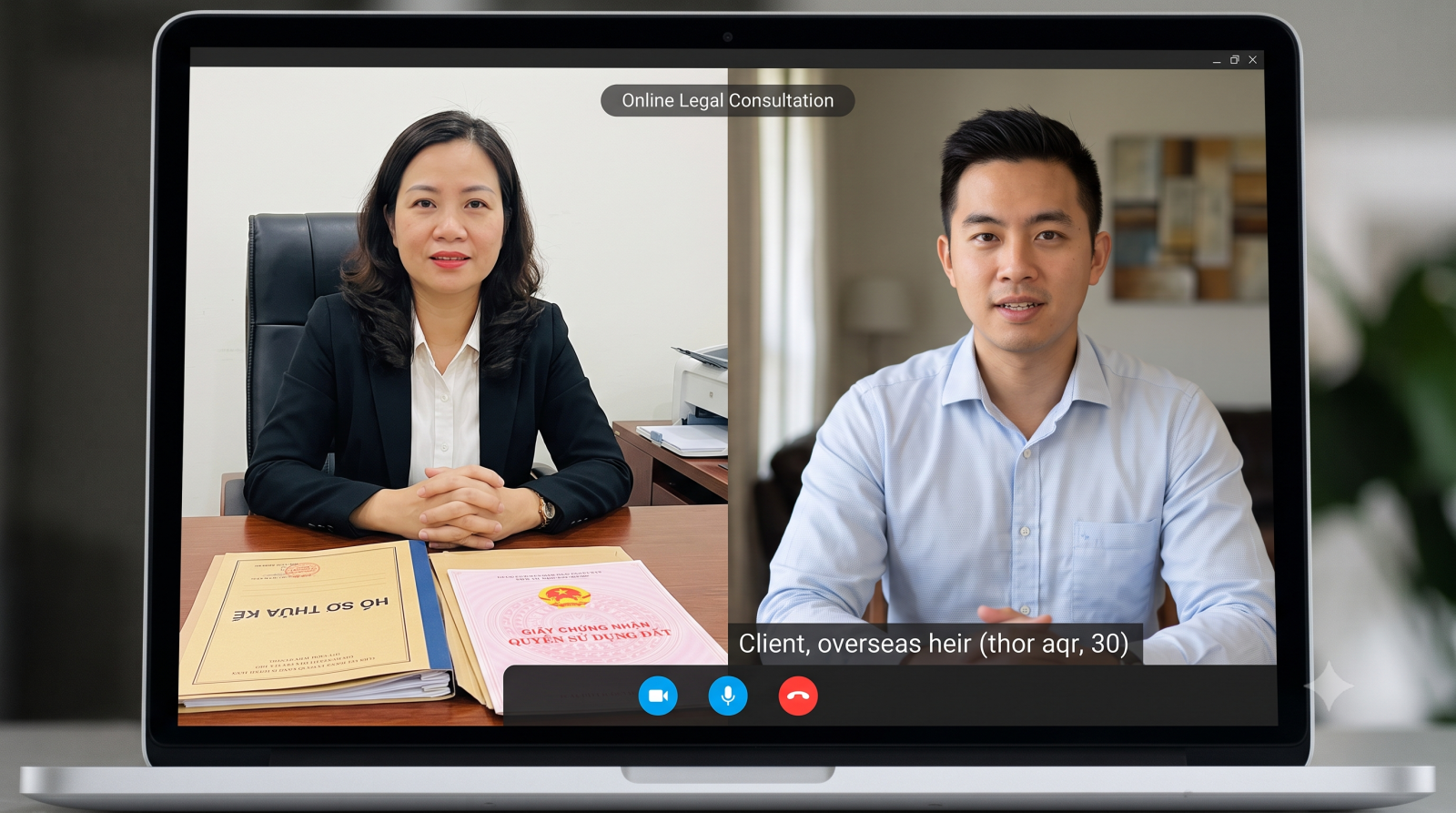
Many inheritance matters can be handled with the client overseas, provided the authorization documents are properly prepared. A Vietnamese lawyer may assist with communication, filings, evidence collection, negotiation, notarization coordination and representation before relevant authorities or courts.
Legal representation without travel may include:
This approach helps foreign clients avoid unnecessary travel while still maintaining control over legal strategy and documents in Vietnam. For general foreign-client support, see Offering Legal Assistance To Foreigners In Vietnam.
Inheritance involving property in Vietnam should not be handled informally, especially when valuable real estate or multiple heirs are involved. Foreign clients should be cautious about signing documents they do not understand, relying only on family assurances, or allowing another person to manage the property without a clear legal arrangement.
Common risks include:
Before signing any inheritance agreement, sale contract or authorization document, foreign clients should obtain independent legal advice in Vietnam.

APOLO LAWYERS - Solicitors & Litigators provides legal assistance for foreign clients, overseas Vietnamese heirs and international families dealing with inherited property in Vietnam. The service is practical, document-focused and designed for clients who need clear guidance in English.
Our support may include:
Each case is assessed based on the documents, family structure, property type, location and level of cooperation among heirs. We do not promise a fixed outcome, but we help clients understand their legal position and take practical steps to protect their rights.
If you are a foreign client, overseas heir or family member living abroad and need assistance with inheritance involving property in Vietnam, you may contact Apolo Lawyers for an initial case assessment.
Please prepare available documents such as the death certificate, proof of relationship, will, property certificate, family records and any correspondence with other heirs. Based on the initial review, our lawyers can advise on the appropriate legal path, required documents and whether your matter can be handled through representation in Vietnam without your personal travel.
Address: 108 Tran Dinh Xu Street, Cau Ong Lanh Ward, Ho Chi Minh City, Vietnam
Tel: (+8428) 66.701.709 | (+84) 908.043.086
Email: contact@apolo.com.vn
Hotline: (+84) 903.600.347
Address: 9th/F, Tower K&M Building, 33 Ung Van Khiem St., Thanh My Tay Ward, HCM City, Vietnam
Tel: (+8428) 35.059.349 | (+84) 908.097.068
Email: contact@apolo.com.vn
Hotline: (+84) 979.48.98.79