
Your company pays a Vietnamese manufacturer to make a steel mould for a custom plastic part. Two years later, you switch suppliers and arrange to collect the mould. The factory refuses to release it until you pay an invoice for the final production run. Can it keep the mould?
Where Vietnamese law applies, the answer depends on who owns the mould, what the contract says about its return and whether the manufacturer has a valid right to retain it. Under Articles 346 and 347 of the 2015 Civil Code, that statutory right can arise if the manufacturer lawfully holds the mould, the mould is the subject matter of a contract imposing obligations on both parties, and an obligation under that contract is due and remains unperformed or has been performed improperly.
How do you establish who owns the mould?
 Start with the tooling agreement, purchase orders and any clause that says when ownership transfers. A separate tooling invoice and proof of payment can support your position. If the invoice describes the charge as a “tooling contribution,” check whether the contract says that payment buys the mould or covers part of the factory’s setup costs. Match your documents to the physical mould using its serial number, asset tag or acceptance report.
If your company supplied its own mould under a commercial processing contract, Article 181(2) of the 2005 Commercial Law entitles it to recover machinery or equipment it lent or leased to the processor after the contract is liquidated, unless the parties agreed otherwise. Check whether the arrangement qualifies as commercial processing under Article 178 and whether your contract specifies a return date or handover procedure.
Does the unpaid invoice relate to the mould?
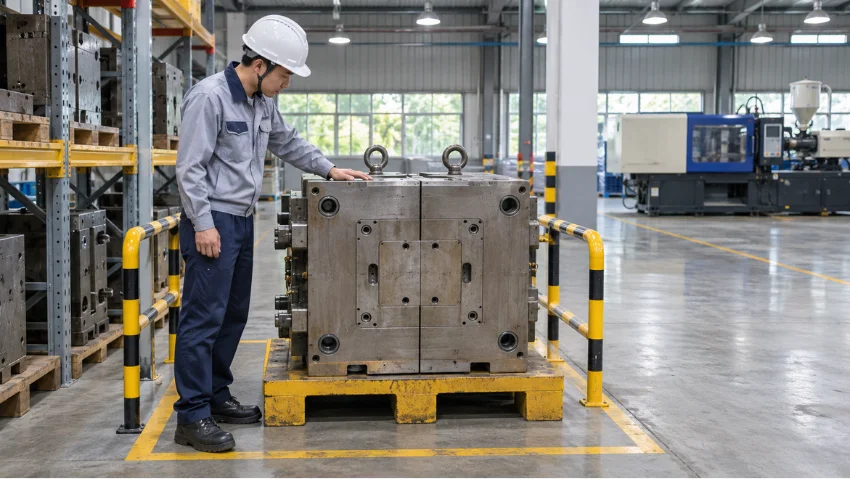 Ask the factory to identify the overdue obligation and the agreement under which it claims a right to keep the mould. Suppose the factory made the mould under a tooling agreement and the final instalment under that agreement is overdue. If the factory lawfully holds the mould and the other statutory conditions are met, it may have a basis to retain it.
If the mould was paid for in full and the outstanding invoice covers finished goods under a separate order, ask the factory to explain how that debt relates to the contract covering the mould. Review any master agreement that links payment obligations across orders or sets conditions for releasing the tooling. The answer can turn on how the agreements fit together.
Can the factory keep using the mould?
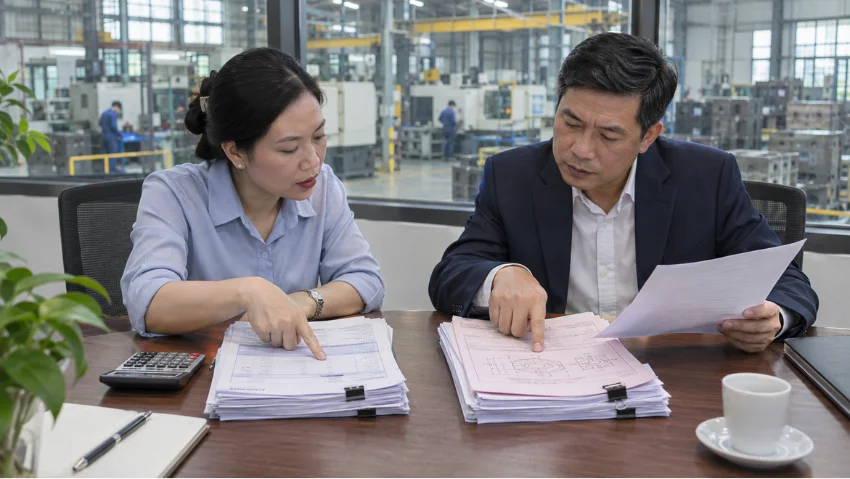 Under Article 349 of the 2015 Civil Code, a party exercising a statutory right of retention must preserve the mould and obtain the obligated party’s consent before using or transferring it. Article 350 provides that retention ends in several circumstances, including when the obligation is fully performed or the parties agree to substitute another form of security. If you need to restart production quickly, you can discuss a written agreement to release the mould against substitute security while the invoice dispute is resolved.
What should a written request for return include?
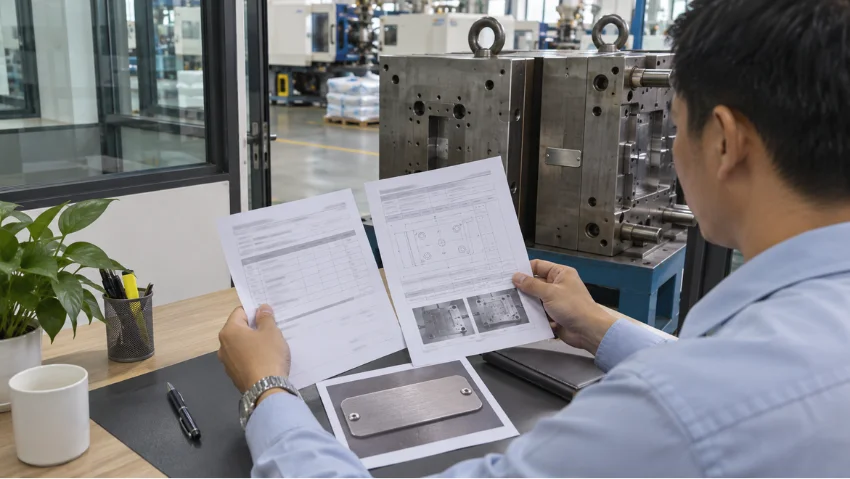 Identify the mould by serial number and attach the documents supporting your right to recover it. Ask the factory to confirm its location and condition, preserve it and state the basis for withholding it. If you dispute an invoice, identify it by number and explain which amount or due date you dispute. Propose a collection date and a handover record covering the mould, removable inserts and any other parts listed in the tooling agreement.
If the factory still refuses to release the mould, review the dispute resolution clause in the relevant contract. Article 166(1) of the 2015 Civil Code gives owners and other holders of rights over property a basis to recover it from a party holding or using it without legal grounds. A claim for return will depend on evidence connecting your rights to the specific mould and addressing the factory’s stated basis for keeping it.
If a manufacturer in Vietnam is withholding your tooling, Jurion & Partners can review your ownership documents, outstanding invoices and options for recovering the mould.


